















Speaking Ghana to the World: How Indigenous Languages Can Power Tourism and Economic Growth

Nov 25, 2025 - 08:28
 0  79
Speaking Ghana to the World: How Indigenous Languages Can Power Tourism and Economic Growth
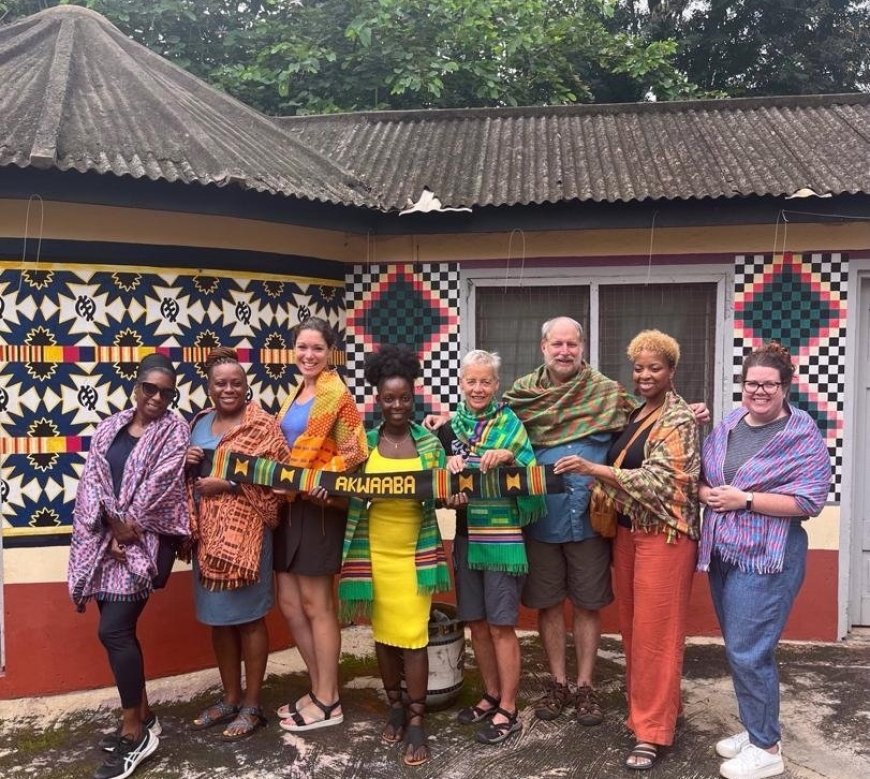
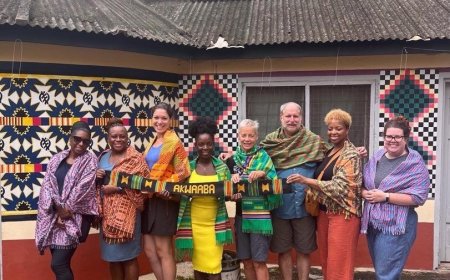
Tourists displaying 'Akwaaba' inscription in a kente stone

Ghana stands tall among Africa’s most linguistically diverse countries, with over 80 indigenous languages shaping daily life and identity.Eleven of these languages receive official government support through education and media.

At the heart of Ghana’s linguistic map lies the Akan language family - Asante Twi, Akuapem Twi, and Fante spoken across the southern and central regions. Akan is not only a language but a symbol of wisdom, trade, and royalty, famous for its proverbs and Adinkra symbols that inspire everything from Kente patterns to corporate logos.

To the east, Ewe carries the musicality of the Volta Region. Its speakers are known for their storytelling, drum communication, and vibrant festivals like Hogbetsotso, where words and rhythm become one.

In Greater Accra, Ga flourishes among a people whose laughter and resilience animate the nation’s capital. Their Homowo Festival - “hooting at hunger” combines humour, song, and dance in a language that connects community and courage.

Moving north, Dagbani commands respect in the Northern Region as the language of chiefs and drummers. It carries a legacy of oral history that links kingdoms and clans. Close by, Dagaare and Gonja enrich the Upper West and Savannah regions with agricultural wisdom, spiritual songs, and artisanal crafts.

Meanwhile, Nzema in the Western Region blends Akan and Ivorian influences, reflecting cross-border ties and coastal creativity, while Kasem in the Upper East remains a key symbol of northern pride and tradition.

Together, these languages form a living cultural atlas, each one a portal into Ghana’s heritage and a potential magnet for cultural tourism if strategically promoted.

Language as a Cultural Currency

Tourism professionals in Ghana agree that language promotion is an untapped goldmine for the country’s hospitality and creative economy.

According to Emmanuel Frimpong, President of Africa Tourism Research Network, “Cultural authenticity sells faster than any luxury product. When a tourist hears the greetings, songs, and proverbs of a destination, they form an emotional bond that no marketing campaign can buy.” 

He believes Ghana can learn from countries like New Zealand, where the Maori language is central to tourism branding. “We can do the same with Twi, Ewe, or Ga - not just translating, but storytelling through language,” he added.

For Dr Kwasi Eyison, a Tourism Economist and the CEO of Pacific Tours, integrating local languages into visitor experiences boosts community income and sustainability: “When you train a tour guide to interpret local proverbs or lead a song in Fante or Dagbani, that becomes an experience.

Tourists pay for experience not information. That’s where value lies.” A Deputy Director of Corporate Affairs with the Ghana Tourism Authority (GTA), Francisca Boakye, stressed that indigenous languages also drive inclusion:

 “Language-based tourism ensures that rural communities benefit directly. A farmer who speaks Dagbani or Dagaare can tell his own story. That’s empowerment, and it keeps tourism money in the local economy.”

According to UNESCO, nations that promote their indigenous languages experience a 20–30% increase in cultural tourism participation within a decade. For Ghana, a similar trajectory could mean millions in new revenue and stronger cultural diplomacy.

Why Language Is the New Currency of Tourism

Economic Catalyst

Globally, the UN World Tourism Organization (UNWTO) estimates that cultural and heritage tourism generates nearly 40% of all travel spending.

Countries that embrace their native languages in visitor experiences such as Peru (Quechua) and Ireland (Gaelic) record stronger tourist retention and higher per-visitor spending.

Ghana’s linguistic diversity can be marketed the same way to boost foreign exchange earnings.

Rural Empowerment and Job Creation

Language-based tourism creates new opportunities for local storytellers, guides, translators, and performers. This transforms communities from spectators to participants - ensuring that tourism benefits reach households and not just hotels.

Cultural Preservation and National IdentityE

Every word, chant, and greeting shared with a visitor preserves culture. Promoting indigenous languages helps sustain oral traditions, folklore, and proverbs that might otherwise disappear, while fostering national unity through shared pride.

Branding Ghana Internationally

Language adds personality to national branding. It distinguish Ghana in a crowded African tourism market increasingly dominated by culture-driven campaigns.

Strategies for Promotion: Product Innovation
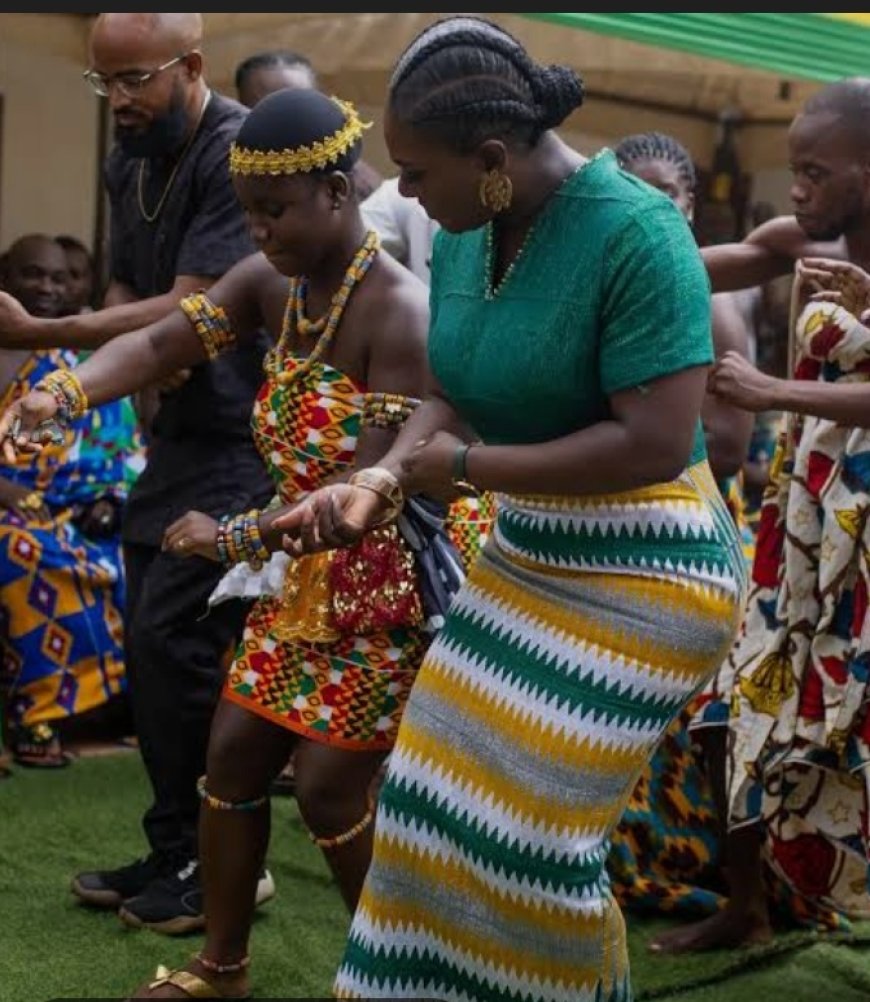
Design Language Heritage Trails across Ghana in Asante, Volta, and Northern regions where tourists can learn greetings, songs, and proverbs from community members.

Create experiences where visitors stay in local homes and learn the language through food, music, and folklore. Launch a campaign titled “Voices of Ghana”, featuring multilingual social media stories, mini-documentaries, and short tutorials.

QR-coded signage at airports and tourist sites can allow travellers to scan and hear words spoken by locals - turning every monument into an interactive classroom.

Hospitality schools should include indigenous communication modules. 

The Bureau of Ghana Languages and Ghana Tourism Authority can collaborate on a Language Ambassador Certification Programme, training tour guides and hosts in cultural interpretation and storytelling. 

Policy and Funding

Government through Ministry of Tourism, Arts and Culture (MoTAC), GTA, and the National Commission on Culture (NCC) should establish a Language and Tourism Development Fund. This fund could support multilingual tourism content, local signage, and capacity-building. 

The private sector, diaspora organizations, and embassies can contribute through corporate sponsorships and cultural exchange programmes. 

If implemented, these initiatives could position Ghana as West Africa’s cultural language tourism leader within five years. 

About the Writer

Emmanuel Adu Gyamfi is a Multiple Award-Winning Journalist Championing Tourism and Hospitality Development in Ghana

What's Your Reaction?

like

dislike

love

funny

angry

sad

wow