











Turning Sporting Glory into Tourism Gold: How Ghana Can Build Sports Museums and a Thriving Sports Heritage Economy

By Emmanuel Adu Gyamfi
(Odopa2@gmail.com)
Ghana’s sporting history is one of global distinction, resilience, and inspiration. From packed football stadiums in Europe to boxing rings that crowned world champions, Ghanaian athletes have carried the nation’s flag with pride.
Ghana’s sporting history is one of global distinction, resilience, and inspiration. From packed football stadiums in Europe to boxing rings that crowned world champions, Ghanaian athletes have carried the nation’s flag with pride.
Yet, much of this priceless legacy remains scattered in private homes, fading scrapbooks, and personal memories.
Experts agree: sports heritage, when properly curated, is not nostalgia but a serious economic asset.
Ghana’s sports icons form a powerful foundation for world-class sports museums.
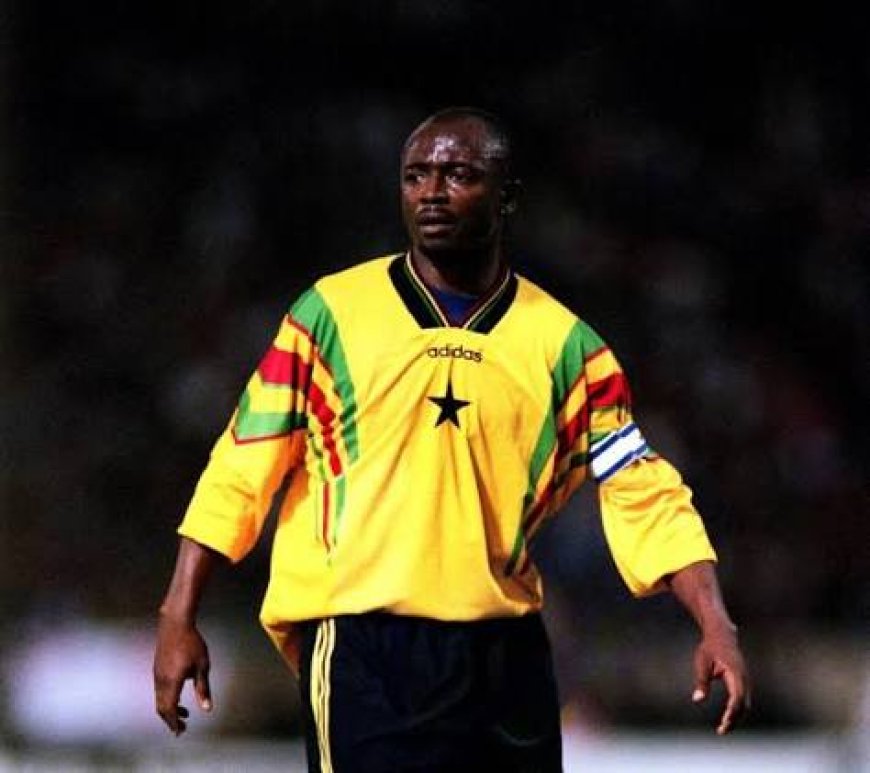
Football greats such as Abedi Pele, Tony Yeboah, Wilberforce Mfum, Asamoah Gyan, Michael Essien, Samuel Osei Kufuor, and Elizabeth Addo shaped African and global football.
Experts agree: sports heritage, when properly curated, is not nostalgia but a serious economic asset.
Ghana’s sports icons form a powerful foundation for world-class sports museums.
Football greats such as Abedi Pele, Tony Yeboah, Wilberforce Mfum, Asamoah Gyan, Michael Essien, Samuel Osei Kufuor, and Elizabeth Addo shaped African and global football.
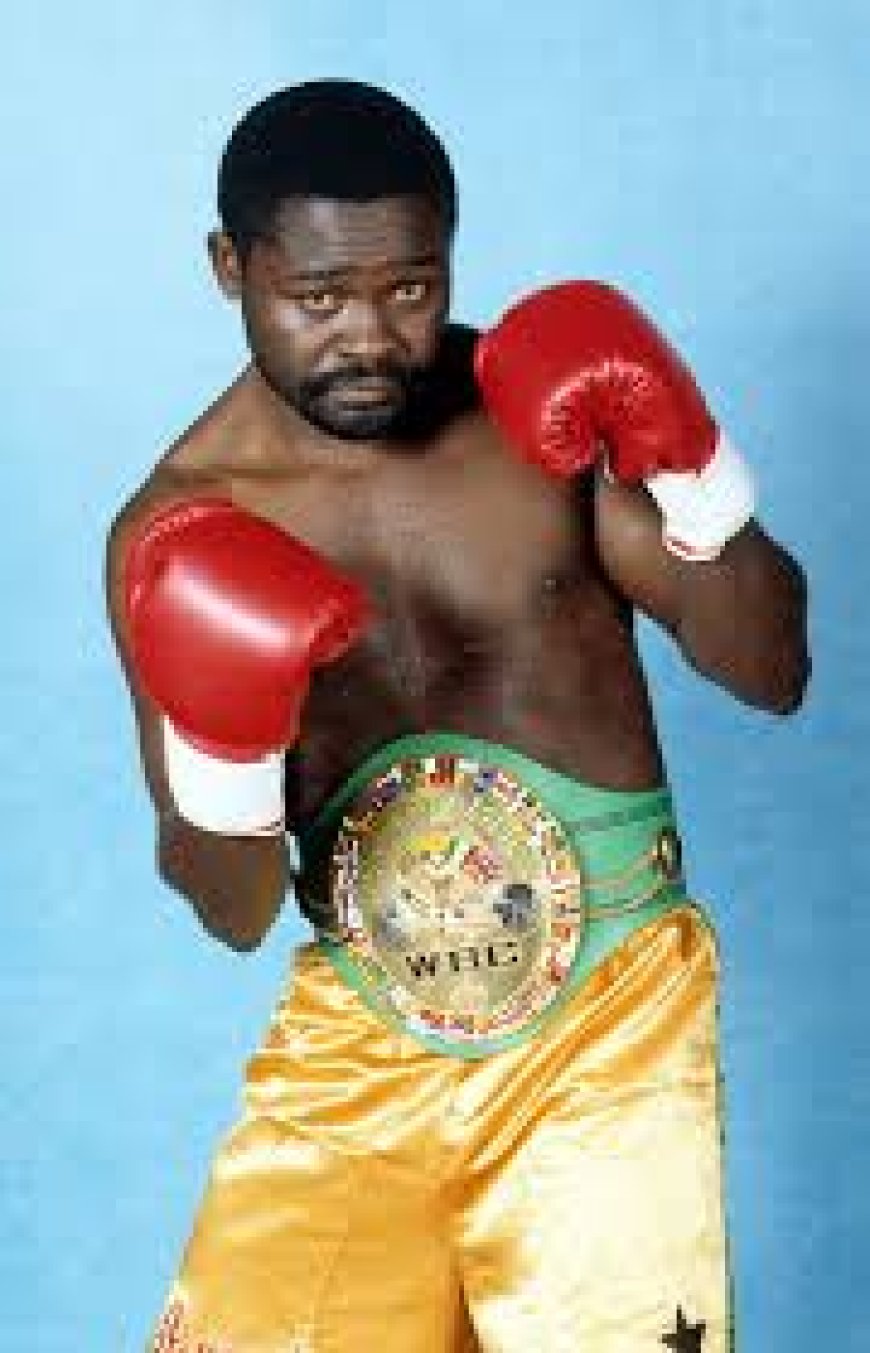
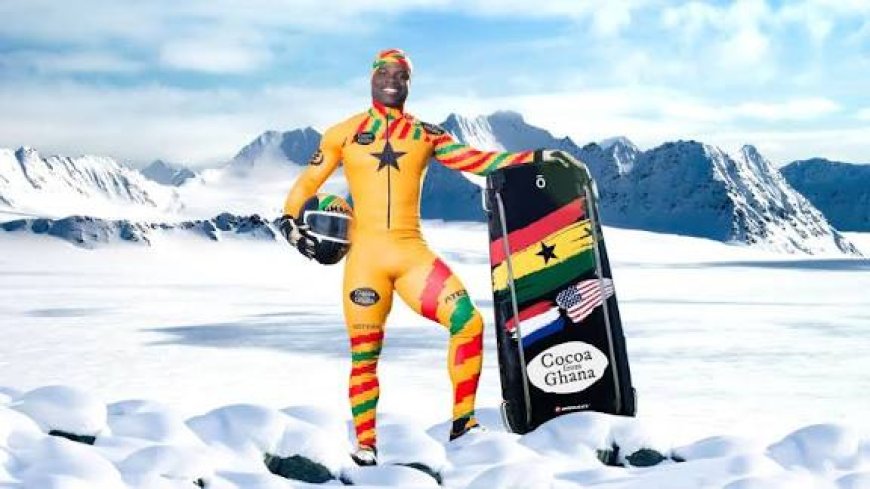
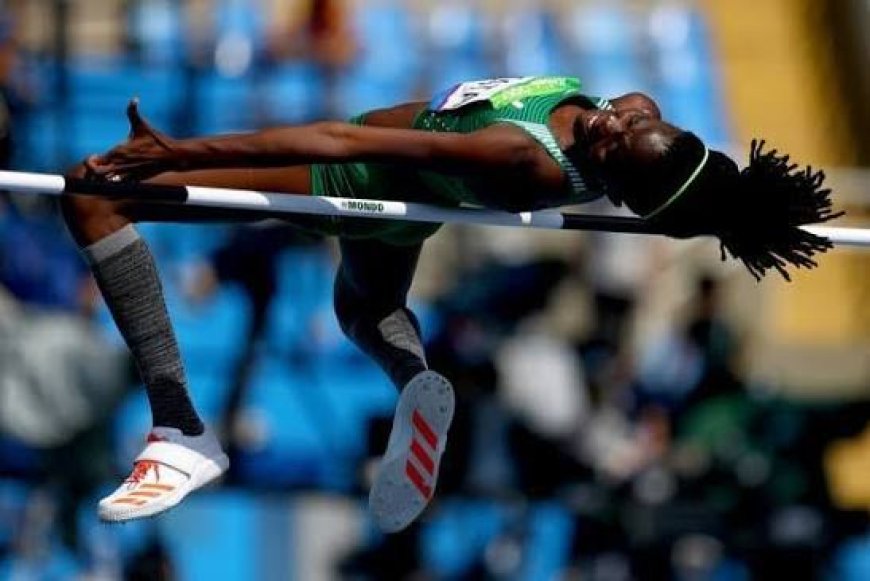
Boxing legends Azumah Nelson built Ghana’s reputation as a fearless boxing nation. Meanwhile, pioneers like skeleton athlete Akwasi Frimpong, high jumper Doreen Amata, and sprinters Emmanuel Tuffour and Grace Obour expanded Ghana’s sporting identity into new global spaces.
According to sports historian and museum consultant Dr. Paul Darby, “When a nation fails to preserve the material culture of its sports heroes including kits, medals, training equipment, it loses not just history, but a powerful storytelling tool that attracts visitors and educates future generations.”
Sports Tourism Is Big Business
Globally, sports tourism is one of the fastest-growing segments of the tourism industry, contributing hundreds of billions of dollars annually to national economies. Industry analysts project the sector to exceed $2 trillion globally by 2030, driven by museums, heritage tours, major events, and fan experiences.
Tourism economist Professor Harold Goodwin notes that: “Sports tourism has a longer economic tail than mega events. Museums and heritage centres create year-round visitation, repeat tourism, and local employment.”
In Africa, countries like South Africa have already demonstrated how sports heritage from rugby museums to football stadium tours can drive significant tourism revenue and job creation. Ghana, with its deep sports history and strong diaspora following, is uniquely positioned to do even more.
How Ghana Can Build World-Class Sports Museums
1. A National Sports Museums Network
Rather than a single building, experts recommend a decentralized national network:
• A National Football Museum showcasing Abedi Pele, Essien, Gyan, Yeboah, Mfum and the Black Stars legacy
According to sports historian and museum consultant Dr. Paul Darby, “When a nation fails to preserve the material culture of its sports heroes including kits, medals, training equipment, it loses not just history, but a powerful storytelling tool that attracts visitors and educates future generations.”
Sports Tourism Is Big Business
Globally, sports tourism is one of the fastest-growing segments of the tourism industry, contributing hundreds of billions of dollars annually to national economies. Industry analysts project the sector to exceed $2 trillion globally by 2030, driven by museums, heritage tours, major events, and fan experiences.
Tourism economist Professor Harold Goodwin notes that: “Sports tourism has a longer economic tail than mega events. Museums and heritage centres create year-round visitation, repeat tourism, and local employment.”
In Africa, countries like South Africa have already demonstrated how sports heritage from rugby museums to football stadium tours can drive significant tourism revenue and job creation. Ghana, with its deep sports history and strong diaspora following, is uniquely positioned to do even more.
How Ghana Can Build World-Class Sports Museums
1. A National Sports Museums Network
Rather than a single building, experts recommend a decentralized national network:
• A National Football Museum showcasing Abedi Pele, Essien, Gyan, Yeboah, Mfum and the Black Stars legacy
• A Boxing Hall of Fame in Bukom, rooted in authenticity and community pride
• An Olympic and Minority Sports Museum celebrating trailblazers like Frimpong, Amata, and Obour
• Regional sports heritage centres highlighting local heroes
UNESCO cultural advisor Marie-Claire Dubois emphasizes: “Distributed heritage models keep tourism revenue within communities and reduce pressure on capital cities.”
2. Preserving Artifacts, Records, and Memory
Sports museums must be built on credibility and authenticity:
• Jerseys, boots, gloves, medals, trophies, training gear
• Digitized match footage, interviews, and newspaper archives
• Oral history recordings with athletes and coaches
Former FIFA museum curator Marco Fazzini explains: “The emotional connection visitors feel when they see a worn-out boot or cracked glove is far stronger than any text panel. These items turn history into experience.”
Athletes and their families should be treated as partners through loans, legacy trusts, and co-curation.
3. Technology as a Force Multiplier
Modern sports museums must be interactive:
• Virtual reality recreations of iconic goals and fights
• Augmented reality “meet the legend” features
• Touchscreen career timelines
• Audio storytelling narrated by the athletes themselves
According to digital heritage expert Ama Serwaa Mensah, “Young tourists expect immersive experiences. Technology ensures sports museums remain relevant for decades, not years.”
The Role of Government, Tourism Authority, and NGOs
Government
• Provide seed funding, enabling legislation, and land
• Integrate sports heritage into national tourism and education policy
• Encourage public-private partnerships and diaspora investment
Former sports ministerial advisor Kwame Owusu-Ansah notes: “Government does not need to run museums but it must create the environment for them to succeed.”
Ghana Tourism Authority (GTA)
• Package sports museums into national tourism circuits
• Market Ghana internationally as a sports heritage destination
• Link museums with festivals, matches, and cultural tours
NGOs and Foundations
• Document oral histories
• Support women’s sports and lesser-known disciplines
• Fund school visits and outreach programs
Beyond Museums: Building a Sports Heritage Economy
Sports museums can anchor a wider ecosystem:
• Stadium and boxing gym tours
• Annual sports heritage festivals
• Licensed memorabilia and merchandise
• Documentaries, books, and podcasts
• Youth camps and mentorship programs linked to legends
Tourism development expert Dr. Rita Acheampong summarizes it best: “Sports heritage works when it becomes an ecosystem, not a building.”
From Legacy to Prosperity
Multimedia Sports Journalist and boxing Promoter, Nathaniel Attoh stresses, “Ghana’s sports legends have already written history through talent, sacrifice, and global excellence. The next chapter belongs to policymakers, investors, cultural institutions, and citizens”.
By establishing sports museums and heritage ventures grounded in global best practice, Ghana can:
• Preserve national memory
• Inspire future champions
• Create jobs
• Diversify tourism revenue
• Strengthen Ghana’s global cultural brand
What's Your Reaction?