
















Managing Mega-Structures Blindly: The Costly Reality Behind Ghana’s Crumbling Sports Stadia

By Emmanuel Adu Gyamfi
When Ghana won the rights to host the 26th edition of the Africa Cup of Nations (AFCON) in 2008, it triggered an unprecedented wave of public investment in sports infrastructure.
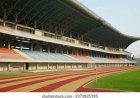
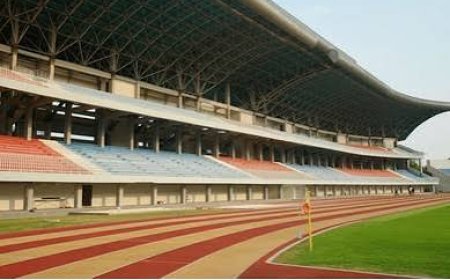
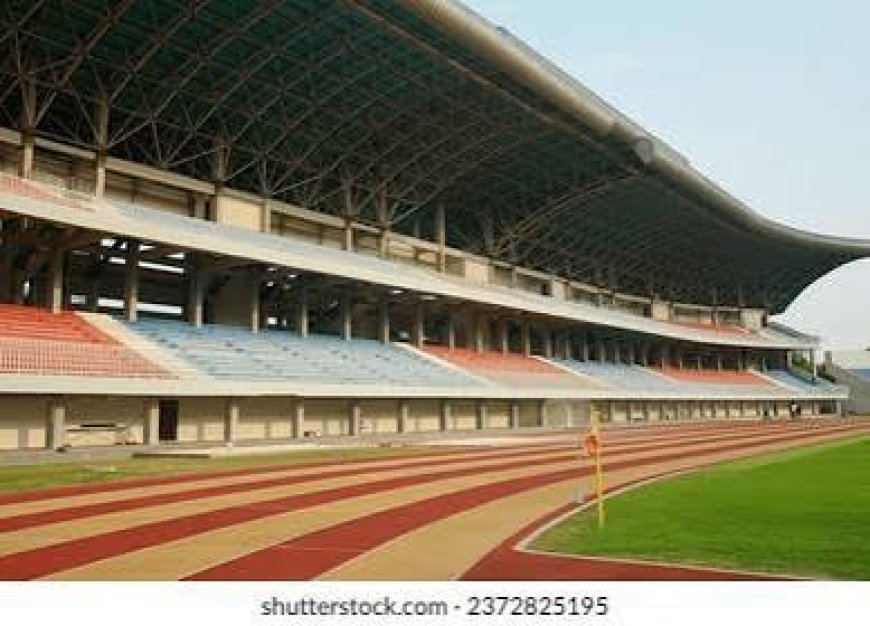
The state heavily upgraded national sporting hubs in Accra and Kumasi, doubling their spectator seating capacities to 40,000 each, and constructed two brand-new, ultra-modern 20,000-seater facilities from scratch - the Sekondi-Takoradi Sports Stadium at Essipon and the Tamale Sports Stadium, now the Aliu Mahama Sports Stadium.
These investments were built to strict international standards, meant to anchor the future of Ghanaian athletics.
Yet, nearly two decades later, the Auditor-General’s latest follow-up report exposes a shocking administrative failure: the state has been managing these multi-million Cedi assets completely blindly.
According to the audit, the National Sports Authority (NSA) has failed to retrieve the original Operations and Maintenance Manuals from the construction contractors. What sounds like a minor missing paperwork issue is, in reality, a severe structural and financial liability that is draining taxpayer funds.
A modern stadium is not just a concrete bowl; it is a highly complex engineering ecosystem that relies on intricate under-pitch drainage networks, heavy structural steel frameworks, automated pitch irrigation systems, and high-voltage electrical grids.
Because the NSA does not possess the contractors' original blueprints and engineering manuals, the estate units and engineers hired by the state are left entirely in the dark.
Local engineers do not know the exact stress thresholds of the aging steel beams, the specific chemical formulations required to preserve the specialized pitch drainage, or the exact schematics of the embedded electrical networks.
Without these manuals, structured, preventative upkeep is completely impossible. Instead of stopping damage before it happens, local stadium officials are forced to run these mega-structures on a purely reactive, ad-hoc basis, fixing vital components only after they break down completely.
By skipping routine, low-cost preventative maintenance, the state routinely allows these facilities to rot until they reach total failure. This forces the government to bypass cheap service options in favor of massive, emergency renovation contracts.
Public records show the state has funneled over GH¢85 million into stadium rehabilitations in recent years.
However, because there are still no technical manuals to guide the daily upkeep of the newly repaired components, deterioration begins the exact moment the contractors pack up and leave the site. Taxpayers are essentially paying multiple times for the same infrastructure due to a total lack of standard asset protection.
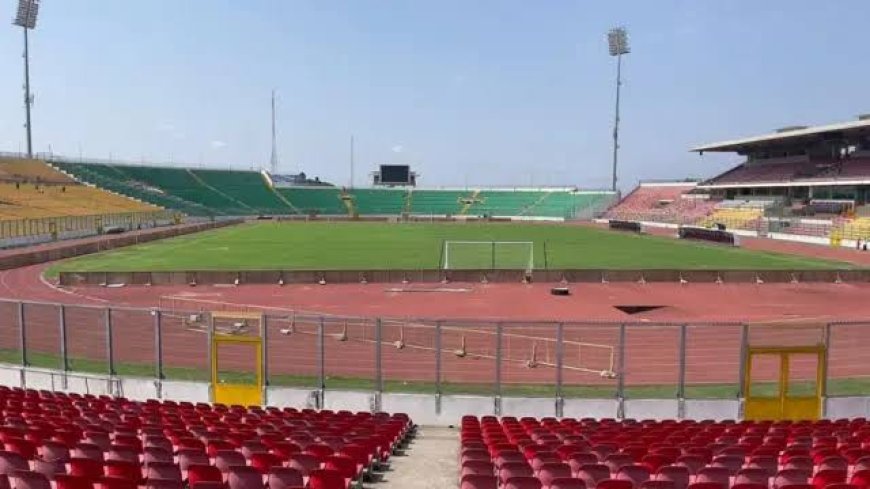
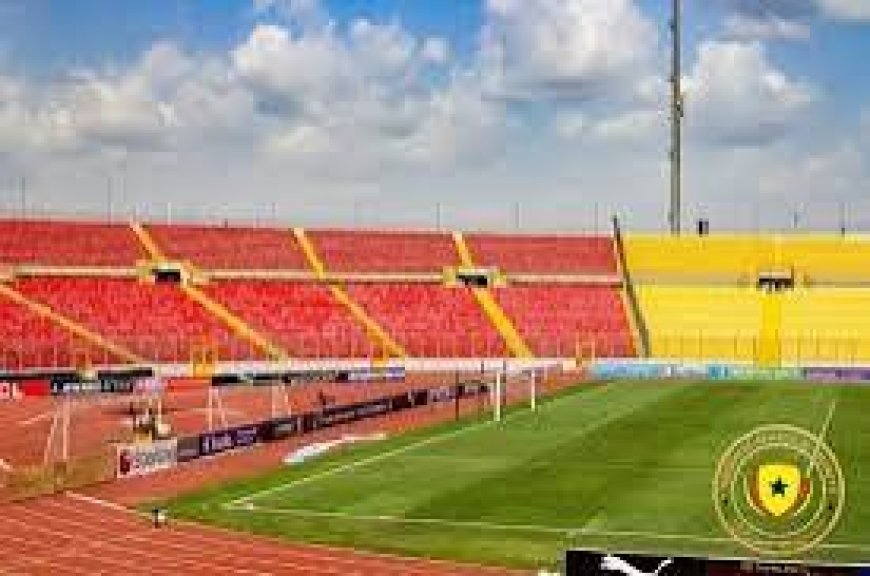
The rapid degradation of pitches, unequal surfaces, and failing facilities directly led the Confederation of African Football (CAF) to withdraw its international approval for major venues, including Kumasi's Baba Yara Sports Stadium.
For the first time in the nation's sporting history, Ghana's national teams faced the humiliation of playing "home" qualifying matches in neighboring countries because none of our multi-million Cedi legacy stadiums met basic international Category 3 standards.
In a recent attempt to pacify Parliament’s Public Accounts Committee (PAC), sports authorities admitted the gap and revealed they have resorted to drafting an "in-house," generic maintenance guide. However, engineering experts warn that a generic manual is a poor substitute.
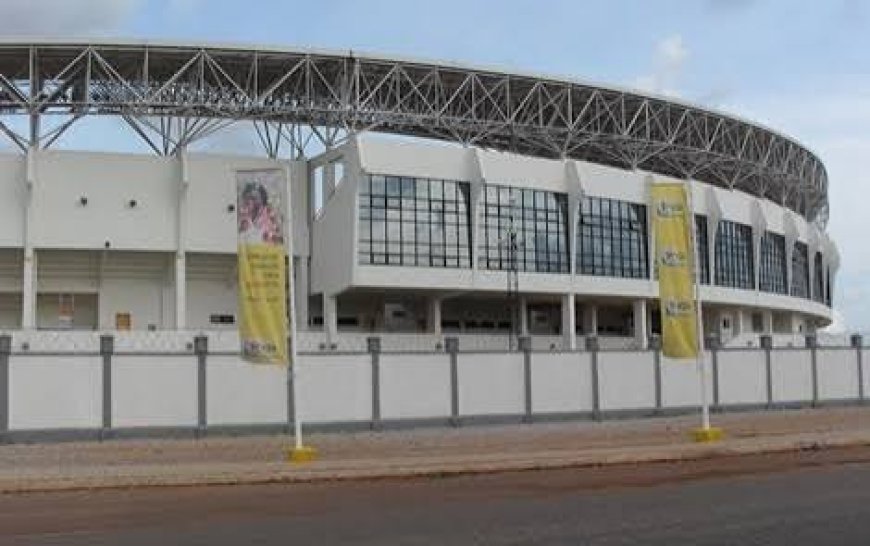
A general guide cannot account for the custom plumbing, unique local soil conditions, or specific structural steel grades unique to the Essipon or Aliu Mahama structures.
Worse yet, the massive, ongoing restorations at the Tamale and Takoradi stadia are still moving forward entirely without documented, contractor-certified maintenance handovers.
Recent follow-ups with the Office of the Auditor-General reveal a damning reality: despite years of explicit, successive audit recommendations directing the Ministry of Youth and Sports and the NSA to retrieve these vital manuals, the directives have been completely ignored.
This persistent non-compliance highlights a dangerous trend in Ghana's public sector where audit reports are treated as mere annual rituals rather than binding legal and administrative commands.
When state institutions can ignore the state's supreme audit institution for years without consequences, the concept of accountability becomes entirely teethless.
It creates a culture of impunity, where public officials face no penalties for administrative negligence that directly results in the loss of millions of state funds.
This ongoing saga also reveals a severe deficit in institutional transparency. Why have these manuals remained unretrieved for nearly twenty years? Was there a failure in the original procurement and handover processes? Were final payments made to contractors without demanding the necessary technical documentation?
By failing to provide clear answers or aggressively pursue these documents from the Architectural and Engineering Services Limited (AESL) and the original contractors, the NSA and the Ministry are keeping the public in the dark.
This lack of transparency fuels suspicion regarding how rehabilitation contracts are awarded and managed. When maintenance is reactive and chaotic, it creates a convenient cover for emergency spending, a domain of public procurement that is notoriously vulnerable to inflated costs and lack of competitive bidding.
The inability of the NSA to enforce compliance from contractors, or even to efficiently coordinate with another state entity like the AESL, points to a systemic failure of institutional capacity.
We are witnessing a state that is highly capable of borrowing and spending millions to construct mega-structures, but structurally incapable of performing the basic administrative functions required to preserve them.
To stop this severe bleeding of public funds and restore value for money, the Auditor-General has issued a strict directive.
The NSA must aggressively take steps to claw back the original engineering and maintenance manuals from the contractors and assemble a specialized team of experts to evaluate the structural needs of the stadia based on actual technical facts, not institutional guesswork.
To ascertain exactly why these critical engineering manuals have still not been retrieved after nearly twenty years, journalist Emmanuel Adu Gyamfi filed an official request under the Right to Information (RTI) Act (Act 989) with the National Sports Authority.
The RTI request sought to uncover the specific roadblocks preventing the retrieval of the documents and whether final payments were illegally made to contractors without demanding standard technical handovers.
Shockingly, the NSA declined to provide the requested information. But the journalist has filed a referral RTI request with the RTI Commission to compel the NSA to come out with detailed information on the issue.
This outright refusal to comply with constitutional transparency laws is a massive red flag. By shutting the door on a lawful RTI request, the NSA is shielding itself from public scrutiny and fueling suspicions regarding how stadium rehabilitation contracts are awarded and managed.
When public institutions operate in secrecy, chaotic, reactive maintenance becomes a convenient cover for emergency spending, a domain of public procurement that is notoriously vulnerable to inflated costs, lack of competitive bidding, and financial malfeasance.
We are witnessing a state apparatus that is highly capable of borrowing and spending millions to construct mega-structures, but structurally designed to avoid transparency when asked to account for their preservation.
Until these original manuals are physically retrieved, verified, and operationalized into daily maintenance schedules, any public money funneled into stadium renovations remains a temporary, expensive bandage.
What's Your Reaction?