





Ghanaian Journalists Empowered to Fight Corruption Through Data-Driven, Fact-Checked Reporting

By E. Adu Gyamfi Odopa
(odopa2@gmail.com)
Media practitioners across Ghana are being urged to adopt rigorous, data-oriented journalism to strengthen public accountability and safeguard democratic integrity.
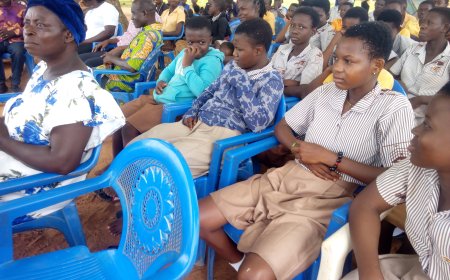
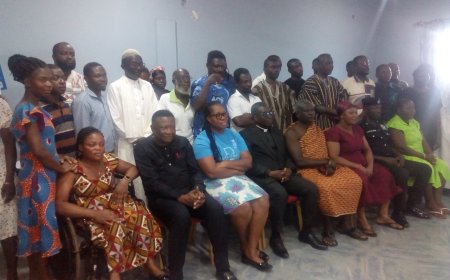
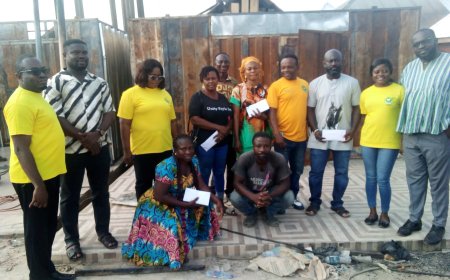
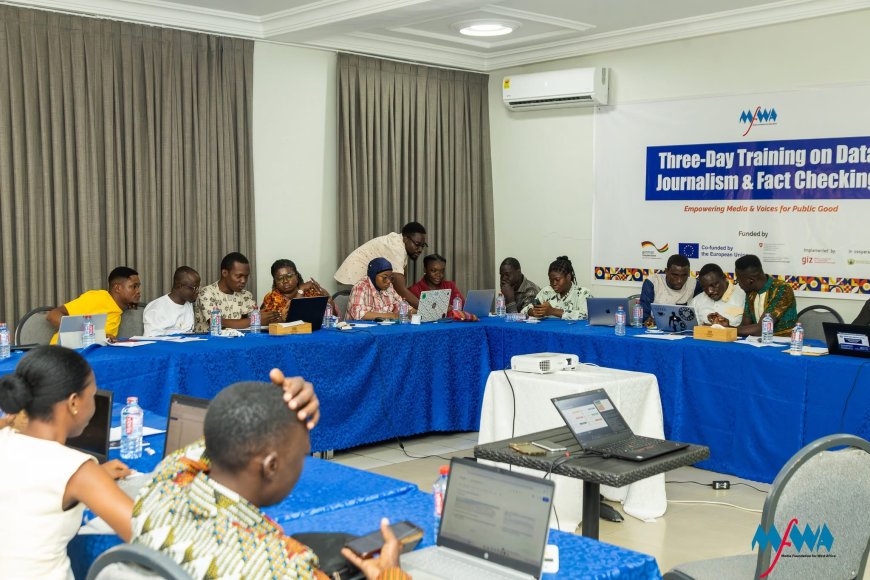
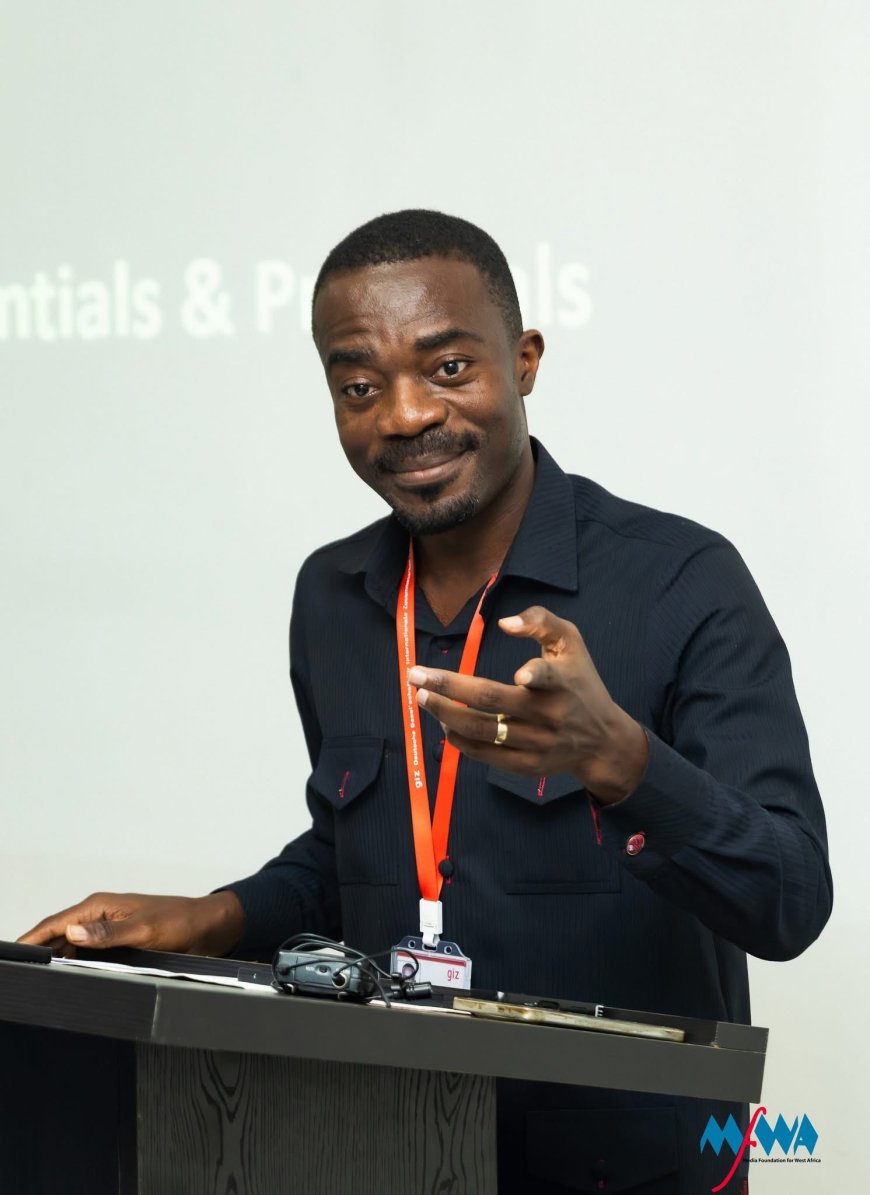
The call to action came at the conclusion of a high-level, three-day intensive training on data journalism and fact-checking held in Accra.
The workshop, which drew selected journalists from the Greater Accra, Ashanti, and Northern regions, is part of a broader effort to equip the African media with the tools necessary to dismantle systemic corruption and provide the public with verified, impactful news.
The training forms a critical part of the Participation, Accountability, Integrity for a Resilient Democracy (PAIReD) program, which was commissioned by the German Federal Ministry for Economic Cooperation and Development (BMZ).
This initiative is co-financed by the European Union in Ghana and the Swiss State Secretariat for Economic Affairs (SECO), and it is implemented by GIZ Ghana in cooperation with the Ministry of Finance.
Such a multilateral effort highlights the international community's commitment to fostering transparency and resilience within West African democratic institutions.
As misinformation and deepfakes become increasingly sophisticated, the workshop provided journalists with a digital toolkit to verify information in real-time.
Key technical modules included metadata analysis and geolocation to verify the true origin of media, as well as deepfake detection to identify AI-generated content intended to deceive.
Journalists also mastered reverse image search techniques, ensuring they can track the history of viral images and debunk false claims before they spread to the general public.
Beyond digital verification, the program emphasized the importance of public financial management and the media's role as a financial watchdog.
Journalists were trained to unpack complex balance sheets, income statements, and cash flow reports to detect signs of opacity, tax evasion, or the misappropriation of funds.
This financial literacy allows reporters to understand the oversight roles of Parliament and the Auditor-General, enabling them to spot red flags in public spending that might otherwise go unnoticed.
The technical capacity of the participants was further strengthened through practical spreadsheet skills, including cleaning and analyzing raw data to build evidence-based investigative stories.
The curriculum also addressed the gendered dimensions of corruption, highlighting the need for inclusive reporting that acknowledges how graft uniquely impacts women and marginalized groups.
By sourcing grants and managing funding opportunities from credible data sources, these journalists are now better positioned to sustain long-term investigative projects.
Dr. Kojo Impraim, Director of Media for Peace and Sustainable Development, remarked that corruption remains a major threat to the peace and development of African society.
He argued that the vast sums lost to corruption in Ghana could be recouped to finance critical services, noting that national resources should not end up in individual pockets while rural communities struggle for basic necessities like clean water and healthcare.
He emphasized that journalists hold a powerful authority in shaping society and must use that power to bring relief to the citizenry.
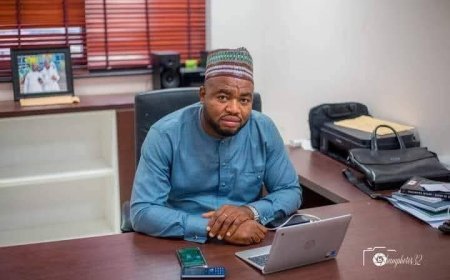
Emmanuel Adu Gyamfi, Editor for the Ghana-based asempadawuro.com and newspaper, reaffirmed the commitment of the beneficiary journalists to use these new skills for the positive impact of society.
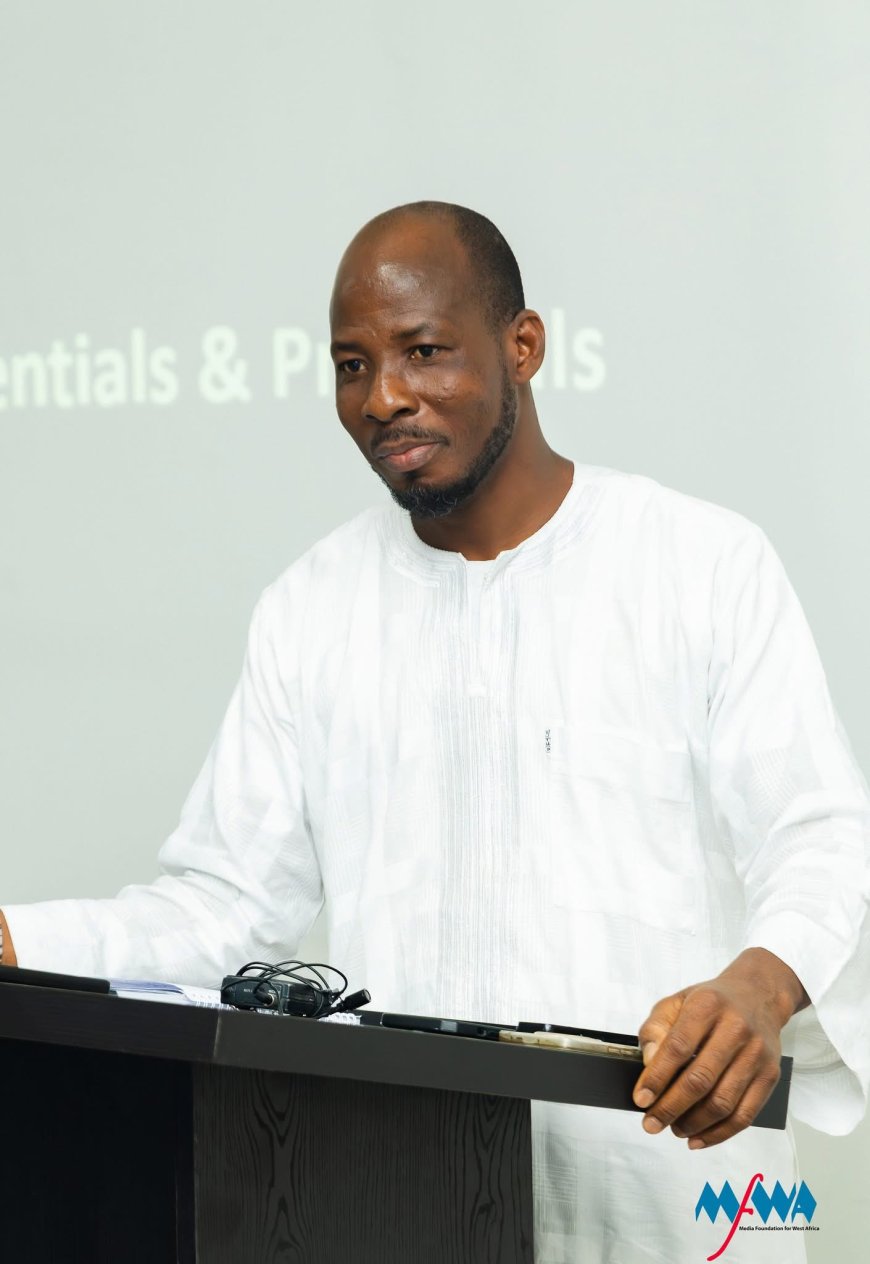
He stated that the knowledge acquired would be used to demand higher standards of transparency among public office holders.
The training was facilitated by a distinguished panel of experts, including Roselena Ahiable of Dubawa West Africa, Senanu Tord of Voice of America, and other leaders in finance, academia, and women's rights activism.
For further information, the editor can be reached via WhatsApp at +233202373920 or via email at odopa2@gmail.com
What's Your Reaction?